When Distance Becomes the Main Challenge in Engineering Projects
In many engineering and production projects, the main difficulty is not a lack of expertise or technical capability. More often, the challenge comes from distance. Key decisions are made in one location, while installation, inspection, or commissioning takes place somewhere else, sometimes in a different country or even on another continent.
This separation creates a gap between those who design and plan the system and those who execute it on site. Even when communication is well organized, physical absence can slow down decision-making, limit visibility, and make coordination more complex. As projects become more international, this challenge becomes increasingly common.
Maintaining control over such distributed processes requires a structured approach that connects on-site activities with remote expertise in real time.
Bringing Engineering Presence to the Site
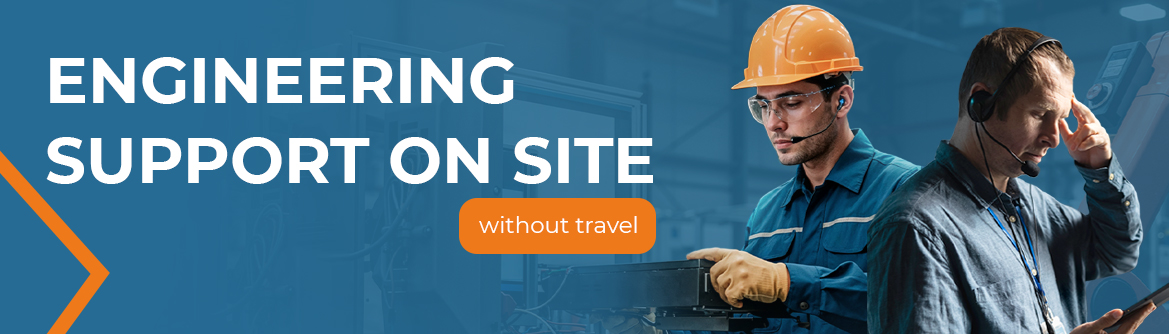
TechOps is designed to address exactly this situation. It allows your team to remain actively involved in project execution without the need for constant travel. Instead of sending internal specialists to every location, a qualified engineer represents your company directly on site.
This engineer communicates with local teams, follows your technical instructions, and ensures that tasks are carried out according to your requirements. At the same time, your internal specialists remain connected to the process, reviewing progress, analyzing details, and making decisions remotely.
This model combines physical presence with centralized expertise. It allows on-site actions to be guided by the same standards and expectations that define your internal engineering processes.
Need on-site engineering support without travel?
Let’s discuss how TechOps can help you stay in control of your projects across different locations.
Schedule a Meeting
Coordination During Critical Project Phases
This approach is particularly valuable during phases where timing and coordination are critical. Inspections require accurate verification and clear documentation. Installation phases involve multiple teams working together under tight schedules. Commissioning demands fast decision-making and immediate response to unexpected situations.
In such environments, delays in communication or lack of clarity can quickly affect the overall project timeline. Having a qualified engineer on site ensures that information flows continuously between all parties involved. Questions are addressed without delay, and decisions can be implemented without waiting for travel arrangements or extended coordination.
Structured reporting and documentation provide transparency, allowing your team to track progress and maintain full visibility over ongoing activities.
Maintaining Control Across Locations
The strength of this model lies in its simplicity. By combining on-site presence with remote decision-making, it creates a practical way to manage projects distributed across different locations.
Instead of relying solely on travel, companies can allocate resources more efficiently while still maintaining direct control over execution. Engineering teams remain focused on analysis and decision-making, while on-site representatives ensure that these decisions are applied correctly in practice.
This reduces the need for constant travel, lowers operational costs, and helps maintain continuity across multiple project sites. At the same time, it ensures that quality standards, technical requirements, and project objectives are consistently followed.
In modern industrial environments, where projects often span multiple countries and involve diverse teams, this approach provides a structured and effective way to stay connected, responsive, and in control.