
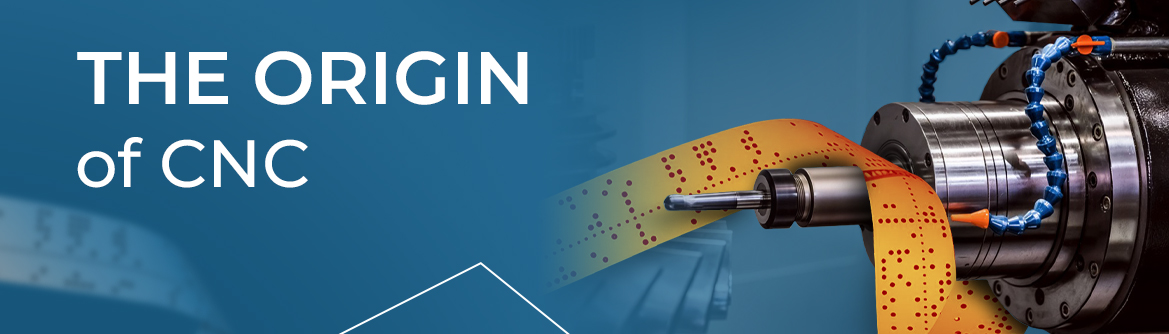
The very first CNC (Computer Numerical Control) machine was created in the 1950s, and it used punched paper tape as its input system — a far cry from the advanced digital controls we rely on today. Despite its simplicity by modern standards, this early innovation marked a turning point in industrial history.
Before CNC technology, machining complex parts required highly skilled manual work, with craftsmen carefully shaping each component by hand. The process was slow, labor-intensive, and limited by human precision. The introduction of CNC completely transformed that reality. By allowing machines to follow programmed instructions with incredible accuracy, it made it possible to produce complex parts consistently, efficiently, and at scale.
This breakthrough laid the foundation for the automated manufacturing we know today. It enabled industries like aerospace, automotive, and electronics to evolve rapidly, creating components with tolerances and complexity that were once impossible. What started with punched paper tape in the 1950s has grown into a cornerstone of modern engineering — proving how one innovation can redefine an entire industry.